
Avoid blocked drains: simple habits that prevent big problems
Everyday do’s and don’ts to keep sinks, toilets, and gullies flowing freely.
11/20/20251 min read
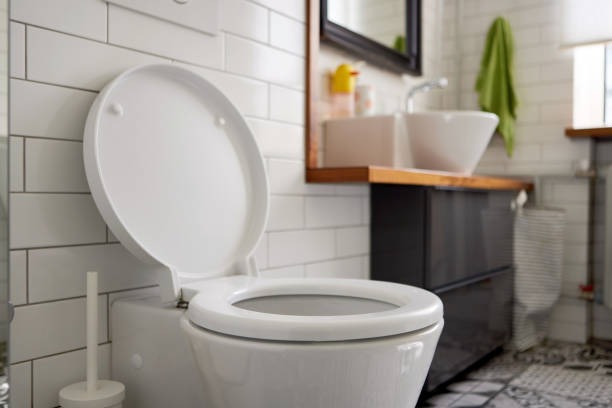
Only the three Ps—pee, poo, and toilet paper—should go down the loo, with everything else binned to avoid blockages and sewer backups in the home.
Kitchen fats, oils, and grease solidify further down the line and trap debris, so collect cooled oils in a container for disposal instead of pouring them into sinks.
Do’s: Use plughole strainers to catch hair and food, scrape plates before washing, and let cooking fats cool and bin them rather than rinsing into drains.
Don’ts: Never flush sanitary products, wipes, or nappies—even if labelled “flushable”—as they snag and build fatbergs and obstructions.
Early warning signs: Slow drainage, gurgling, or bubbling in the toilet base indicates a developing blockage—stop using fixtures and seek help to avoid internal flooding.
Pro check: A periodic CCTV drain survey can map defects or build‑ups before they become major blockages and supports targeted maintenance.
Water and wastewater providers also publish local guidance on ownership, what to do during a blockage, and how to get help if backups occur in your area.
Special Plumbing
Qualified engineers
Clear pricing
ABOUT US
Biscoe Close, Hounslow TW5 0UY
© 2025. Special Plumbing London. All rights reserved.


Special Plumbing provides expert emergency plumbing services across all London areas with rapid response times.
Contact
Professional, reliable, and available 24/7.
Who are we?
Legal Notices
General Terms and Conditions of Sale
Privacy Policy
INFORMATION
+44 7542486416
UNITED KINGDOM