
Prevent frozen and burst pipes: 7 practical steps
Practical UK steps to stop pipes freezing and bursting during cold snaps.
11/20/20251 min read
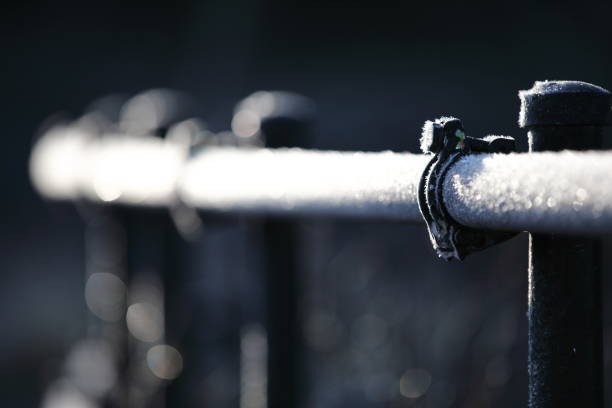
Insulate all pipework and water tanks in unheated spaces like lofts, garages, and outbuildings to reduce freezing risk, and avoid placing insulation under loft tanks so heat from rooms below can help protect them.
Keep your thermostat at a minimum of about 7°C and draught‑proof windows and doors so internal temperatures don’t drop far enough to freeze pipes, especially when away from home.
Locate and test your stop tap every six months so you can shut off water quickly if a pipe freezes or bursts, and keep a qualified plumber’s number to hand for rapid assistance.
Step 1: Lag exposed pipes, bends, valves, and outside taps and fit an insulation jacket to cold‑area tanks.
Step 2: Drain and isolate external taps and garden lines before cold snaps, and leave outside taps open after isolation to let residual water escape.
Step 3: If the property will be empty, leave heating on low and consider asking a neighbour to check inside occasionally during freezing weather.
Step 4: Service your boiler before winter to reduce breakdown risk and help maintain stable background heat in the home.
Step 5: Seal draughts around doors and windows to limit cold spots near pipe runs on external walls.
If a pipe freezes, thaw it slowly with warm towels or hot‑water bottles, never with a naked flame or blowtorch, and close the stop tap if you suspect a split to limit damage on thawing.
Water companies also advise insulating toilet cisterns and draining unused outbuildings for winter as added protection against freeze damage.
Special Plumbing
Qualified engineers
Clear pricing
ABOUT US
Biscoe Close, Hounslow TW5 0UY
© 2025. Special Plumbing London. All rights reserved.


Special Plumbing provides expert emergency plumbing services across all London areas with rapid response times.
Contact
Professional, reliable, and available 24/7.
Who are we?
Legal Notices
General Terms and Conditions of Sale
Privacy Policy
INFORMATION
+44 7542486416
UNITED KINGDOM